

Matching a hire car to your passengers and luggage
Tell the team how many people will travel and how many cases, buggies or bulky bags you expect. Seating and boot space are separate questions. Say whether you need an automatic or are happy with a manual, and mention any child seat request early so it can be checked before you are quoted. Include details for every driver who may take the wheel.
Picking a suitable car
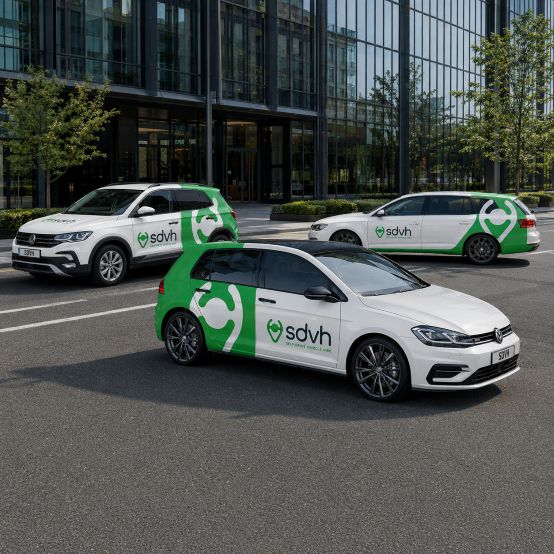
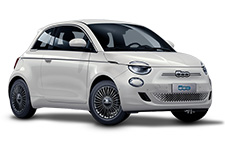
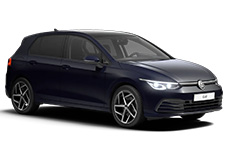
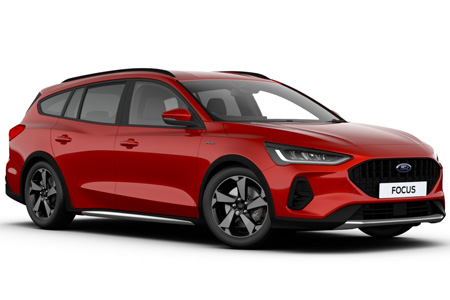
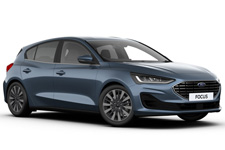
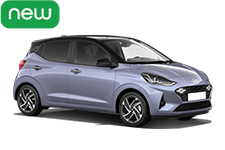
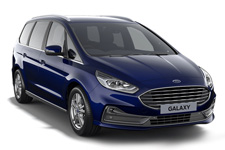
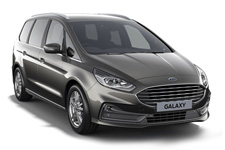
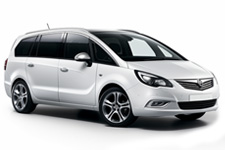
Start with the journey and pick the car to match it. Smaller cars are suited to city driving and short stays, automatics make local driving easier, estates and SUVs give more room for luggage, and people carriers are a better choice for families or small groups. The range available includes the Fiat 500, VW Golf, Ford Focus Estate, Ford Focus Automatic and Hyundai i10 Automatic, subject to dates, driver details and availability. The precise make, model, transmission, seating, payload and licence position are confirmed when you are quoted, so treat the vehicles listed as a guide to the kind of hire on offer rather than a guaranteed reservation of a particular model.
Organising a longer car hire
If your hire covers a week or more rather than a single day, a few extra details are worth preparing. Note the full span of dates, including any chance you might extend, and where the car will be based during that period. Think about who will drive — record each driver's details rather than assuming one name covers everyone — and whether you will need the vehicle daily or only on certain days. If visitors are joining partway through, add their travel dates to the same note. Listing your expected journeys, even roughly, helps you see whether a compact car covers the whole stay or whether luggage for an airport leg points towards an estate. Keep the note alongside your booking enquiry.
Comparing everyday car sizes for your needs
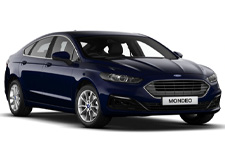
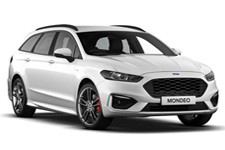
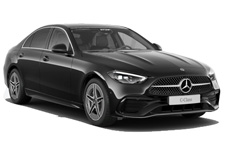
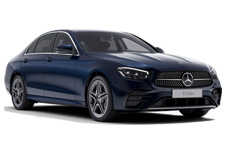
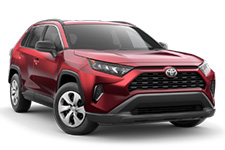
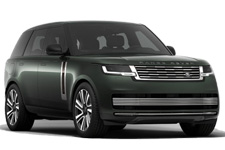
Choosing between car sizes is mostly a matter of matching numbers to your plans. Note how many people will travel at once and the largest amount of luggage you expect, then weigh that against the groups on offer: a compact city car for short solo trips, an automatic if that is your preference, an estate for bulkier loads, an SUV if you favour a higher seating position, an executive saloon for formal occasions, or a people carrier for larger parties. Recording passenger counts and typical bag sizes for each planned journey shows which group covers the widest range of your uses. If two options seem close, ask the team how they differ before deciding — the final choice stays yours.
Explore other car hire areas
Last checks before booking
Before you confirm the hire, check the key details: vehicle availability, driver requirements, mileage, insurance, delivery or collection arrangements and any extras you have asked for, along with driver age, licence history, the deposit, the insurance excess and any travel abroad. A clear request gives the date, the length of hire, the rough route, the delivery or pickup address, the expected passengers or load, and any particular requirements that might affect which vehicle is suitable.