















Sizing a van around what you are moving
List the largest items with rough length, width and height, and give an estimate of total weight, because bulk and payload limit a van in different ways. Mention anything awkward, such as a wardrobe that cannot be dismantled or long timber. Describe loading at both ends, including stairs, lift access, distance from the kerb and whether anyone will help lift.
Picking a suitable van
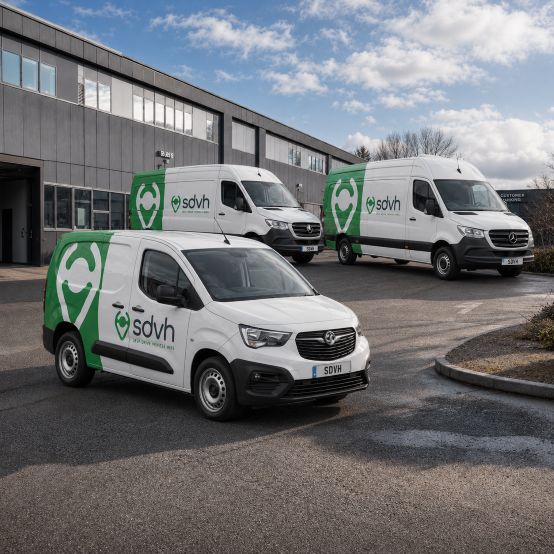
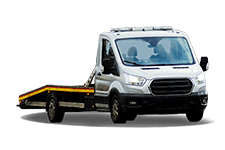
Choose the van around the load. Small vans work well for boxes, tools and light collections. Medium or long-wheelbase vans suit furniture, stock and trade equipment, while Lutons are better for bulkier house-move items. The available range includes Volkswagen Caddy, Ford Transit SWB, VW Transporter Automatic, Ford Transit MWB and Ford Transit LWB, subject to dates, driver details and availability. The exact make, model, transmission, seats, payload and licence position are confirmed at quote stage, so the vehicle examples should be used as a guide to the type of hire available rather than a guaranteed reservation of a specific model.
Measuring Bulky Items Before You Enquire
The first decision is usually which items actually need to travel and which can stay behind. Once you have a list, measure each bulky piece, whether it is a wardrobe, sofa, fridge or shelving, noting height, width and depth at the widest points, and record whether anything can be dismantled. Write these figures next to each item rather than keeping them in your head, and note the number of boxes, bags and loose pieces as well. When you contact the team, share the full list so the van options can be discussed for the job, and mention the access arrangements at both ends along with your dates. If an item seems unusually shaped, describe it and ask for suggestions, since a specific question invites a specific answer.
Coordinating Helpers Across the Whole Job
Helpers are only useful if they know when and where they are needed. Decide in advance who will be present at the start, during any stops, and at the end, and share the hire dates with everyone involved. Note each person's availability and a contact number in case timings shift. If furniture is being collected from a shop or a private seller, record the seller's name, address and phone number, and confirm the collection window with them directly. For a storage run, write down the unit number and any access codes or opening hours the facility requires. Agreeing these details beforehand leaves fewer loose ends and gives you a list to check against if someone cannot make it.
Explore other van hire areas
Last checks before booking
Before the hire is confirmed, go over the key points: whether the vehicle is available, the driver requirements, mileage, insurance, the delivery or collection arrangements and any extras you have asked for. Make sure payload, loading height, tail-lift needs, driver details, deposits and insurance excess are confirmed before you settle on a van size. A clear request gives the date, the length of hire, a rough route, the delivery or pickup address, the passengers or load you expect and any special requirements that might affect which vehicle is suitable.