














Sizing a van around what you are moving
List the largest items with rough length, width and height, and give an estimate of total weight, because bulk and payload limit a van in different ways. Mention anything awkward, such as a wardrobe that cannot be dismantled or long timber. Describe loading at both ends, including stairs, lift access, distance from the kerb and whether anyone will help lift.
How the right vehicle is confirmed
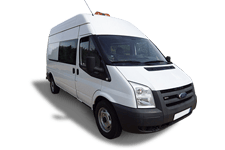
Choose the van around the load. Small vans work well for boxes, tools and light collections. Medium or long-wheelbase vans suit furniture, stock and trade equipment, while Lutons are better for bulkier house-move items. The available range includes Volkswagen Caddy, Ford Transit SWB, VW Transporter Automatic, Ford Transit MWB and Ford Transit LWB, subject to dates, driver details and availability. The exact make, model, transmission, seats, payload and licence position are confirmed at quote stage, so the vehicle examples should be used as a guide to the type of hire available rather than a guaranteed reservation of a specific model.
Writing Down Your Load Before You Enquire
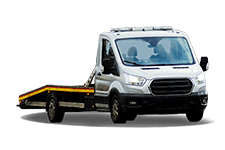
Before ringing the team, take a walk through your home or workspace and tally what actually has to travel. Rather than listing everything item by item, group things by weight and shape, because those two factors usually decide whether a small van will cope or whether something larger is needed. Bulky pieces such as sofas, wardrobes or workbenches deserve a quick measurement, and it helps to check whether any of them dismantle, since flat-packed sections often ride more efficiently than fully assembled units. If some goods are heavier than they look, mention that too when you enquire, as weight distribution matters as much as volume. Once you have this summary, the team can talk you through the van options on offer, and you can raise practical points such as whether a dropside would make loading easier for your particular items.
Arranging a Collection with the Seller
Collecting a purchase from a private seller or shop brings its own preparation, and sorting the details early saves stress on the day. Confirm the address in writing rather than relying on a phone conversation alone, and pin down a realistic window for pickup so you are not left waiting with a hired vehicle on the clock. It pays to ask the seller how the item will be presented at handover, whether wrapped, loose or still in packaging, and to find out in advance if help will be available at their end for lifting. Agree what happens if either side is delayed, including a backup contact number. Jotting the order reference somewhere accessible is also wise. With these arrangements settled, you can speak to the team confidently about timing and which van type fits the job.
Explore other van hire areas
Things to check before booking
Before the hire is confirmed, go over the key points: whether the vehicle is available, the driver requirements, mileage, insurance, the delivery or collection arrangements and any extras you have asked for. Make sure payload, loading height, tail-lift needs, driver details, deposits and insurance excess are confirmed before you settle on a van size. A clear request gives the date, the length of hire, a rough route, the delivery or pickup address, the passengers or load you expect and any special requirements that might affect which vehicle is suitable.