













Sizing a van around what you are moving
List the largest items with rough length, width and height, and give an estimate of total weight, because bulk and payload limit a van in different ways. Mention anything awkward, such as a wardrobe that cannot be dismantled or long timber. Describe loading at both ends, including stairs, lift access, distance from the kerb and whether anyone will help lift.
Picking a suitable van
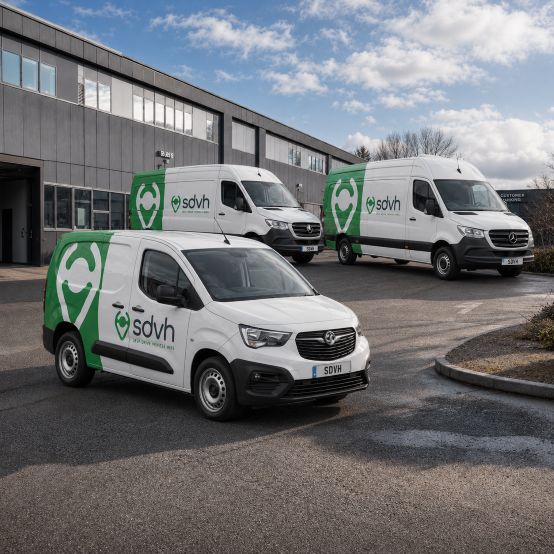
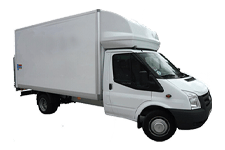
Start with the load, then choose the van. A small van works well for boxes, tools and light collections; medium and long-wheelbase vans suit furniture, stock and trade equipment; and a Luton is the better choice for bulkier items on a house move. Subject to dates, driver details and availability, the range includes the Volkswagen Caddy, Ford Transit SWB, VW Transporter Automatic, Ford Transit MWB and Ford Transit LWB. Make, model, transmission, seats, payload and licence position are all confirmed at quote stage, so treat these vehicles as a guide to the kind of hire on offer rather than a guaranteed reservation of a particular model.
Allowing Time for Packing and Loading
Giving yourself a generous window for packing and loading makes the whole hire period calmer and more productive. Rather than treating the collection as the moment work begins, set aside time beforehand to gather materials, wrap fragile pieces and group items so that heavier things can go into the van first. When you collect the vehicle, walk around it with a member of the team, note anything worth recording and confirm the return arrangements before driving away. Spreading the physical effort across the hire rather than compressing it into a frantic few hours helps protect both your belongings and your back. If the job turns out larger than expected, speak with the branch promptly about extending, since arranging this early is usually far simpler.
Moving Boxed Belongings
Boxes travel best when they are packed with some thought about weight and shape. Keep each one light enough for one person to lift comfortably, fill empty gaps with soft items so contents cannot shift, and avoid overloading larger cartons with books or tools. Labelling every box on more than one side saves a great deal of searching later, whether the destination is a new home, a storage unit or a customer premises. Seal each carton properly along the base as well as the top, since bases give way more often than lids. During the journey, place the heaviest boxes low and towards the front, with lighter, fragile pieces on top. Unpacking in labelled stages keeps the whole move orderly.
Explore other van hire areas
Last checks before booking
Before the hire is confirmed, go over the key points: whether the vehicle is available, the driver requirements, mileage, insurance, the delivery or collection arrangements and any extras you have asked for. Make sure payload, loading height, tail-lift needs, driver details, deposits and insurance excess are confirmed before you settle on a van size. A clear request gives the date, the length of hire, a rough route, the delivery or pickup address, the passengers or load you expect and any special requirements that might affect which vehicle is suitable.